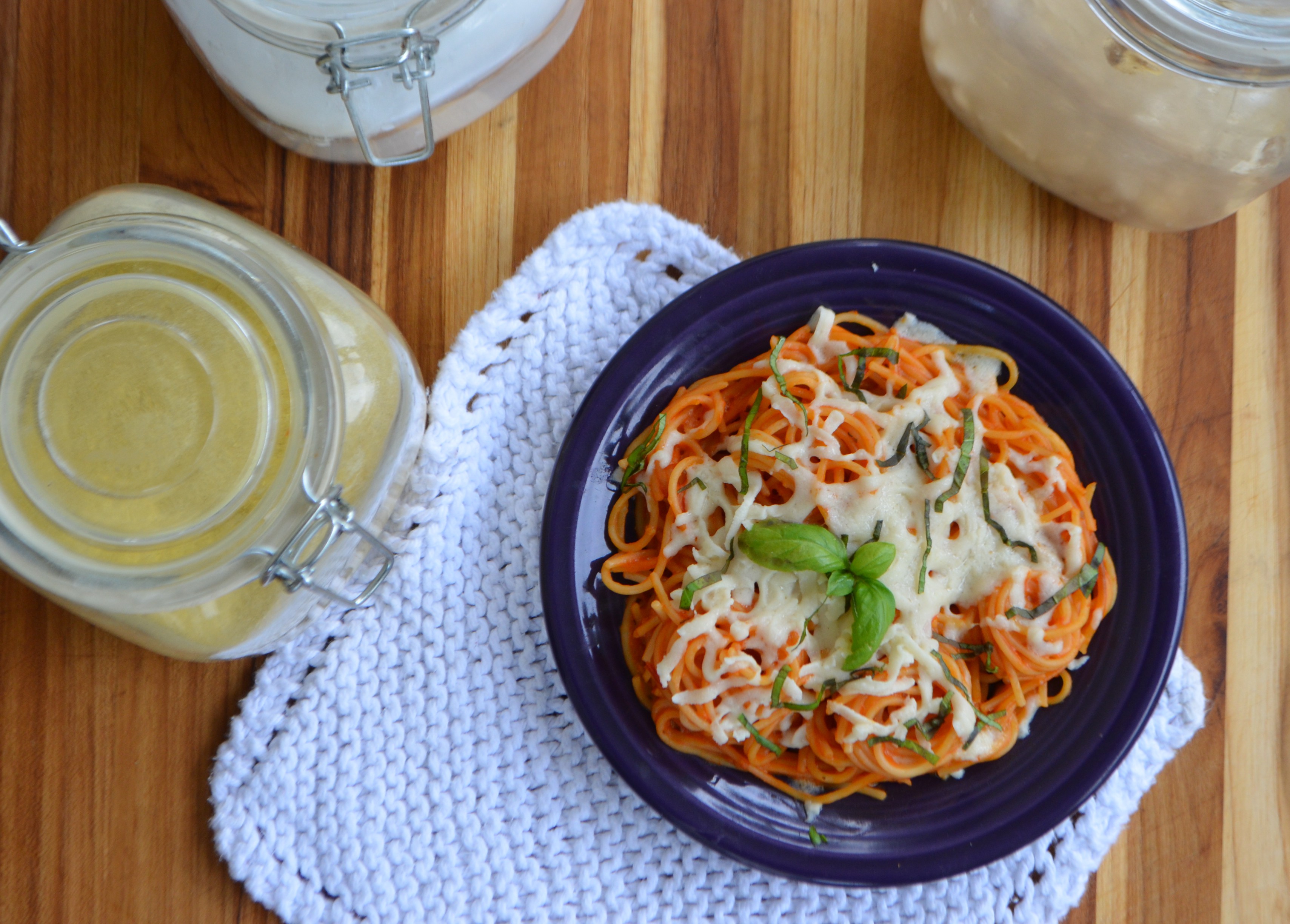
A recipe for cheese, made with potatoes. You may have seen my previous post on the infamous potato-carrot cheese. I’ve also used agar to make that same recipe into slices. Well, it was an obvious jump to try to make a mozzarella version. This version does use kappa carrageenan as a binder, but you can easily omit it if you want a melt. I haven’t tested it with agar powder, but I’m sure it would work if you activated the agar in water before pouring the rest of the mixture in.
If you’re vegan (or lactose intolerant) you’ve probably heard that at least once, or a thousand times. Thankfully, there’s been some really amazing vegan chefs who have made our cheeseless existence quite tolerable. Miyoko Schinner, Jay Astafa, Somer McGowan, and Skye Michael Conroy, have all taught me some valuable tips on vegan-cheese making. I actually took the inspiration from this from Richa Hingle at Vegan Richa. Her vegan cheddar cheese ball came across my feed around Halloween and I knew the flavors would be perfect for an adaptation of my mozzerella aquafaba cheese. The original recipe that I drew inspiration from for the cashew mozzarella was developed by Jay Astafa. You can watch the YouTube video here. I noticed he uses soy lecithin as an emulsifier, which aquafaba has been shown to do in recipes like Nina’s butter and Peanut Butter and Vegan’s mayo. This inspired me to make the cashew mozzarella using aquafaba as the emulsifier.
Vegan cheese doesn’t create casein protein strands like dairy cheeses do, which is why we use tapioca starch to create that stretchy texture. Some places may have it labeled at tapioca flour, but they should be interchangeable. I find mine at an international market for a cheaper price. I use vegan lactic acid powder to create that dairy-like tang in this recipe. It’s definitely worth the purchase, but if you cannot buy it, substitute a tablespoon of lemon juice instead. Since cheddar has a significant tang to it, I include apple cider vinegar as well as miso paste. Nutritional yeast also adds to the cheesy flavor. Refined coconut oil helps with firmness upon refrigeration and improves the mouthfeel and melt.
Most vegan cheeses use either agar or kappa carrageenan as a binder to be sliceable and shreddable. I choose to use kappa carrageenan, as I prefer the melt and mouthfeel it imparts. I am well aware that many people choose not to consume it and I completely respect that; this recipe may be possible with agar powder, but I have not tested it. If you do test it, please contact me with your results!
Last week we celebrated my husband’s birthday. He’s a pretty neat guy, but one of his few flaws is his favorite foods-burgers. I have a particular dislike for most vegan burgers on the market these days. I’d take a black bean burger over a Boca Burger any day.
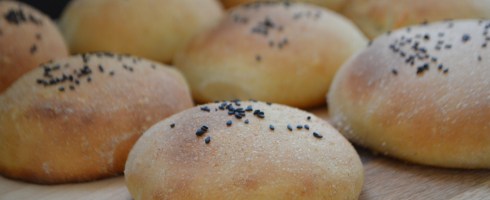
But, being the wonderful wife I am, I indulge his burger cravings occasionally, especially on his birthday. These homemade buns were perfect for burgers and actually made them palatable for me. We’ve been enjoying these buns for other sandwiches recently too!
Aquafaba works great as a binder in this recipe. Be sure to check out the Facebook page for more aquafaba recipes!
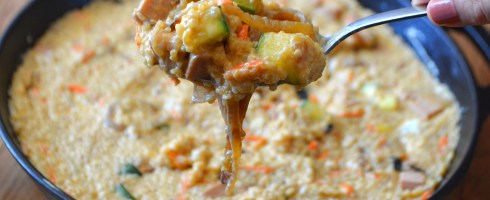
I’m often inspired by the ingredients in my fridge or freezer to make easy weeknight dinners like this. To be more accurate, I’m more often inspired by the LACK of ingredients, so I throw something together like this.
Casseroles are not common in our weekly menu, but I really enjoy recipes like this that are one pan-dishes. The less dishes I have to do the more time I get to spend with my family, and that’s always a win.
You can use any vegan cheese sauce you prefer for this recipe. I am particularly partial to the carrot-potato cheese sauce, but hey, that’s just me. You could also sub the quinoa for rice or noodles. For some reason I always forget about quinoa in the back of my pantry, but it’s delicious and good for you, so I probably should remember it more often.
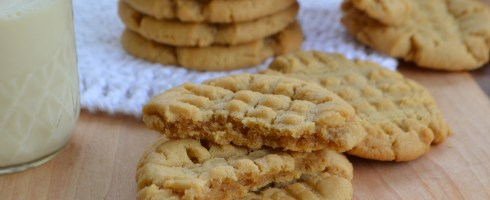
Cookies are delicious. This is a known fact of the universe.
Peanut butter is delicious. This is another known fact. (Unless you’re allergic, in which case, avoid this recipe at all costs.)
Peanut butter cookies?
Let’s just say these are best for a day when you are leaving the house, otherwise you will eat the entire container. Or bring them with you and share with your coworkers, because shared calories don’t count. That is another known fact.
Aquafaba is a great binder in these cookies. In fact, these are better than any other vegan peanut butter cookie I have tried. They are crunchy with a bit of give, like a perfect cookie should be. But don’t just listen to me, try them yourself!
P.S. Check our the Vegan Meringue Facebook group for more great aquafaba recipes!
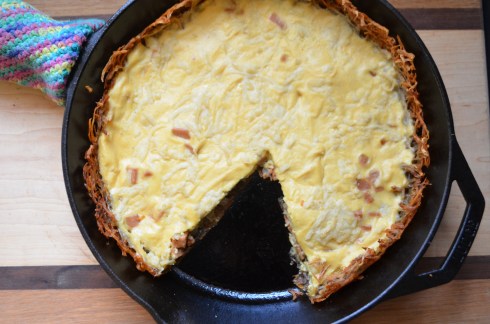
To tell the truth, I’ve only ever eaten quiche once in my life. I remember it’s silken fluffy texture well, but I haven’t thought about it in years. I saw this recipe from Minimalist Baker and I thought, “well, I have an hour before work, might as well.”
I changed my filling a bit and decided to make the entire thing in a cast iron skillet, because I often think I should cook in cast iron more. Thinking back on it, I should have doubled the filling because of the increase in size. I bet this would work really well in a pie pan as well; it would come out quite a bit thicker. I’d also like to petition that all quiches be made with a hash brown crust, because that stuff is delicious. Pastry crust would work to, but the only downfall is it’s not potatoes.
This makes a perfect meal for demolishing before work or when you baby wakes you up at 4 a.m. or breakfast, lunch, and dinner for an entire day.
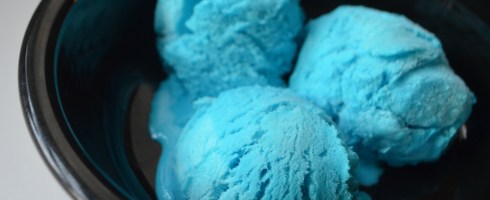
Unless you’re from the Midwest like me, you probably have never heard of Blue Moon as ice cream before. This actually has nothing to do with the beer, although I have to imagine they would both taste quite nice together.
No one really knows the true flavor of blue moon, but it always tasted quite fruity to me. I imagine someone just thought “hey, let’s try to mix ALL the flavors together” and just went with it. Which is exactly what I went with here, and the flavor is spot on.
A few tips: stir the ice cream a few times in the freezer. I didn’t do this and it ended up a bit icy. The meringue will flop when you add it to the coconut milk but that’s ok, it will still add texture and size to your ice cream. I like Wilton sky blue coloring but you can use any blue coloring that works for you.
If you don’t know, I’m pretty excited about this. Every vegan I’ve ever met in real life has said the hardest thing to give up was cheese and every non vegan has told me that they would never be able to give up cheese. Fortunately, due to amazing chefs like Miyoko Schinner, Jay Astafa, Somer McGowan, and Skye Michael Conroy, we are able to enjoy cheese-like products, without the cruelty. I’ve made several forays into the world of vegan cheese and learned a lot of different techniques from many different recipes. The particular recipe that I drew inspiration from for this is the cashew mozzarella developed by Jay Astafa. You can watch the YouTube video here. I noticed he uses soy lecithin as an emulsifier, which aquafaba has been shown to do in recipes like Nina’s butter and Peanut Butter and Vegan’s mayo. This inspired me to make this cashew mozzarella using aquafaba as the emulsifier. It also makes this recipe soy free, conveniently, for those who are intolerant.
Vegan cheese doesn’t create casein protein strands like dairy cheeses do, which is why we use tapioca starch to create that stretchy texture. Some places may have it labeled at tapioca flour, but they should be interchangeable. I find mine at an international market for a cheaper price. You can also add a bit of xantham gum to increase the stretchiness. If you don’t have any, feel free to omit it, the cheese will still be delicious! I use vegan lactic acid powder to create that dairy-like tang in this recipe. It’s definitely worth the purchase, but if you cannot buy it, substitute a tablespoon of lemon juice instead. Nutritional yeast also adds to this cheesy flavor. Refined coconut oil helps with firmness upon refrigeration and improves the mouthfeel and melt. Please use coconut oil that is solid at room temperature. Cashews can possibly be subbed for raw sunflower seeds for those with allergies.
Most vegan cheeses use either agar or kappa carrageenan as a binder to be sliceable and shreddable. I choose to use kappa carrageenan, as I prefer the melt and mouthfeel it imparts. I am well aware that many people choose not to consume it and I completely respect that; this recipe may be possible with agar powder, but I have not tested it. If you do test it, please contact me with your results!
Edited to add: Several people have tried with equal amounts of agar and have had a hard time getting it to set. I would suggest doubling the amount of agar powder (use 1 tablespoon and 1 tsp). Xanthan gum will not replace the carrageenan, it’s not a firm binder like carrageenan is, just a thickener.
If you like this recipe, be sure to check out these other vegan cheese recipes:
In my post about peanut butter and jelly macarons I talked about “breakfast pizza” that was often served in my high school cafeteria. It still holds a special place in my stomach and I always enjoy the challenge of veganizing an old favorite.
You can definitely use your own favorite scrambled tofu recipe or homemade sausage in this. My favorite cheese on this is the mozzarella from the Non Dairy Evolution.
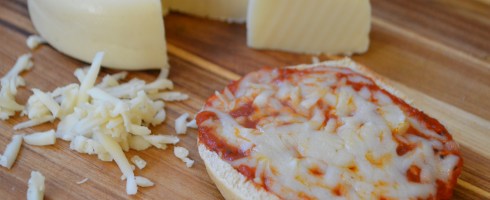
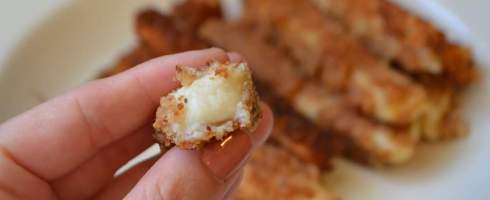
We loved the potato carrot cheese, but I wanted a firm product to be able to throw on top of burgers and even to snack on plain. I grew up eating American slices from that company with the blue box, so I have fond memories of unwrapping cheese slices.
These are much more breakable than those rubbery squares and require a gentle hand. I would highly recommend the recipe I created for the cheese, specifically the coconut oil because it will firm upon refrigeration.
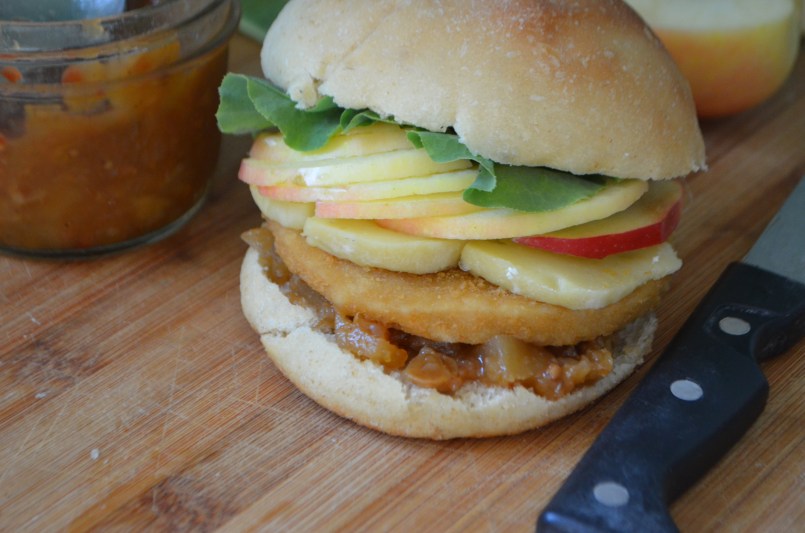
I even like this cheese in sandwiches, which is usually not true for vegan cheeses (besides Chao.)













 Avocados and Ales